What Are Braces?
Braces are orthodontic appliances that straighten teeth and correct bite problems. Brackets bonded to your teeth connect through a thin archwire that applies steady, gentle pressure. Over months, this pressure shifts teeth into healthier positions, improving alignment, function, and the overall look of your smile.
If you’re dealing with crowding, gaps, an overbite, or an underbite, braces can address many alignment issues. Modern options go far beyond the traditional metal look. Today, you can choose from clear ceramic brackets, hidden lingual braces, or even removable aligners depending on your needs. Braces work well for kids, teens, and adults alike, making them one of the most versatile orthodontic treatments available. At Lakewood Orthodontics, families from Blue Springs and surrounding communities come to us with questions about which option fits their lives best. If you’re looking for a specialist nearby, see our orthodontist in Blue Springs page.
How Do Braces Work?
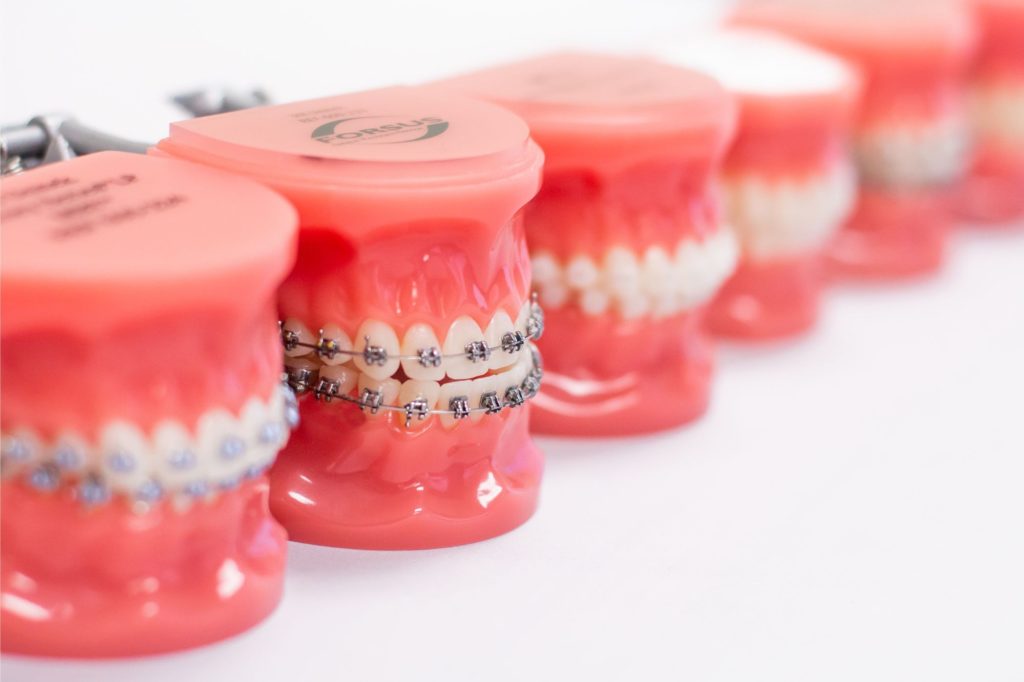
Braces work through one simple idea: steady, controlled pressure. When brackets are bonded to your teeth and connected by an archwire, that wire creates gentle force that pushes or pulls teeth in specific directions.
Here’s what happens beneath the surface. The pressure from the wire signals your body to remodel the bone surrounding each tooth root. On one side, bone breaks down to make room for movement. New bone forms on the opposite side to fill the gap left behind. This biological process is why orthodontic treatment takes time. Your body needs those months to safely rebuild bone as teeth shift.
Throughout treatment, you’ll visit Dr. Ravi Rajanna for regular adjustments. During these visits, the archwire gets tightened or replaced with a slightly different shape. Each adjustment guides your teeth closer to their final positions. For families with bite issues, small rubber bands (elastics) may connect upper and lower braces to help align the jaw.
Most people wear braces for 12 to 24 months, though your timeline depends on how much movement your teeth need. Complex cases may take longer, while minor corrections can sometimes wrap up faster.
Benefits of Braces
The advantages of braces extend well beyond a straighter smile. Here’s what you can expect:
A Confidence Boost That Shows
Straight teeth make a noticeable difference in how your smile looks. Many families across Blue Springs and the wider area tell us they feel more comfortable smiling in photos and social settings after treatment.
Why Is Bite Alignment Important?
When your upper and lower teeth meet properly, you reduce strain on your jaw joints. This can ease headaches, jaw soreness, and uneven tooth wear that comes from a misaligned bite.
Easier Oral Hygiene Day to Day
Crowded or overlapping teeth create tight spaces where plaque hides. Once teeth are properly aligned, brushing and flossing become more effective, lowering your risk for cavities and gum disease.
How Do Braces Improve Function?
Properly aligned teeth chew food more efficiently. Some families also notice clearer speech after correcting certain bite issues.
Are the Results Long-Lasting?
The benefits of orthodontic treatment last for years. With proper retention, your results protect your teeth and gums well into the future, giving you a smile that lasts.
Types of Braces: Metal vs. Clear vs. Lingual vs. Aligners
Choosing the right type of braces depends on your priorities. Visibility, budget, and the complexity of your case all factor into the decision. Here’s how the main options compare:
| Type | Visibility | Best For | Considerations |
|---|---|---|---|
| Modern Metal Braces | Most visible | All case types, including complex | Most durable and typically lowest cost |
| Clear Ceramic Braces | Tooth-colored brackets blend in | Patients wanting discretion with bracket reliability | May stain if not cared for properly |
| Lingual Braces | Hidden behind teeth | Adults wanting invisible treatment | Higher cost, adjustment period for tongue |
| Clear Aligners | Nearly invisible removable trays | Mild to moderate cases | Requires discipline to wear most of the day and night |
Modern Metal Braces
Modern metal braces remain the workhorse of orthodontics. They handle everything from simple spacing issues to severe bite problems. Modern brackets are smaller and more comfortable than older versions.
Clear Ceramic Braces
Clear ceramic braces work like modern metal braces but use tooth-colored or translucent brackets. Adults and teens love them when they want something less noticeable but still need the power of bracket-and-wire treatment.
Lingual Braces
Lingual braces attach to the back surfaces of your teeth, making them invisible from the front. They require specialized training to place and adjust, which typically makes them the highest-cost option.
Clear Aligners
Clear aligners use a series of custom plastic trays to move teeth gradually. They’re removable for eating and brushing, which many families appreciate. They work best for mild to moderate corrections and require commitment to wearing them most of the day.
Cost of Braces in Blue Springs: What to Know
The total investment for braces depends on the appliance type, treatment length, insurance coverage, and any extra appliances your case requires. Most cases fall within a range that varies significantly by complexity, and flexible financing makes monthly costs manageable. Here’s a closer look at what shapes your final number.
Type of Braces
Modern metal braces typically cost less than ceramic or lingual options. Clear aligners fall somewhere in the middle, depending on the brand and case complexity. Investment varies widely based on case specifics, so a personalized estimate is the most accurate way to plan.
Treatment Length and Complexity
A straightforward case requiring 12 months of treatment costs less than a complex bite correction taking two years or more. The amount of tooth movement needed directly impacts your investment.
Insurance Coverage
Many dental insurance plans include orthodontic benefits that cover a portion of treatment costs. Coverage varies widely, so check your specific plan details.
Flexible Financing
Beyond insurance, flexible financing spreads the cost into manageable monthly amounts. Many practices offer in-house plans with little or no interest, making treatment accessible for more families.
Additional Appliances
Some families need expanders, temporary anchorage devices (TADs), or other appliances alongside braces. These additions address specific issues but may add to the overall cost.
The best way to understand your investment is through a personalized free consult. You’ll get a clear picture of what your specific treatment requires and what payment options work for your budget.
Who Is a Good Candidate for Braces?
Braces work for families across all age groups, though the ideal timing depends on individual factors. Dr. Ravi Rajanna sees families of every age at Lakewood Orthodontics, including many who travel from Blue Springs and nearby neighborhoods.
Children
Children should have their first orthodontic evaluation around age 7, according to the American Association of Orthodontists. At this age, Dr. Ravi can spot developing problems with jaw growth or incoming adult teeth. Early treatment isn’t always necessary, but catching issues early can simplify treatment later.
Teens
Teens are often ideal candidates because most permanent teeth have erupted, yet jaw bones are still growing. This makes tooth movement efficient and predictable.
Adults
Adults can benefit from braces at any age. More adults than ever are choosing orthodontic treatment, and modern options make it easier to fit into professional and social life on their terms.
Before starting braces, you’ll need:
- Healthy teeth free from untreated decay
- Gums in good condition without active periodontal disease
- Commitment to regular visits and proper care
Families with severe bite problems, significant crowding, or complex jaw issues often see the best results with modern metal braces rather than aligners. Dr. Ravi will evaluate your specific situation and recommend the most effective approach.
Frequently Asked Questions About Braces
How long do braces take to work?
Most families wear braces for 12 to 24 months. Your specific timeline depends on how much your teeth need to move and how complex your bite correction is. Dr. Ravi will give you a personalized estimate after examining your teeth.
Do braces hurt?
You’ll feel some pressure and mild soreness after getting braces and following each adjustment. This typically fades within a few days. Over-the-counter relief and soft foods help during the adjustment period. Most families find the soreness manageable and much less intense than they expected.
How often are adjustment visits?
Plan to visit Dr. Ravi every four to eight weeks during treatment. These visits allow the team to check progress, tighten wires, and make any necessary changes to keep your treatment on track. Each visit is usually quick, often a short stop that fits easily into a busy day.
Can I play sports or instruments with braces?
Yes to both. For sports, wear a mouthguard designed for braces to protect your teeth and brackets. Wind and brass instruments may require a short adjustment period as your lips get used to the brackets, but most musicians adapt within a few weeks.
What foods should I avoid with braces?
Skip hard, sticky, and crunchy foods that can damage brackets or get stuck in wires. This includes popcorn, hard candy, ice, caramel, and gum. Cut apples and carrots into small pieces rather than biting directly into them. Lakewood Orthodontics provides a full list of foods to avoid at your first visit.
How do I clean my teeth with braces?
Brush after every meal using a soft-bristled toothbrush, angling bristles toward the gumline and around each bracket. Floss daily using a floss threader or orthodontic flosser to get under the archwire. Good oral hygiene prevents staining and decay during treatment.
Learning about braces is the first step toward understanding your options. Whether you’re considering modern metal braces, clear options, or aligners, Dr. Ravi and the Lakewood team are happy to answer questions and walk you through what treatment could look like for your family.