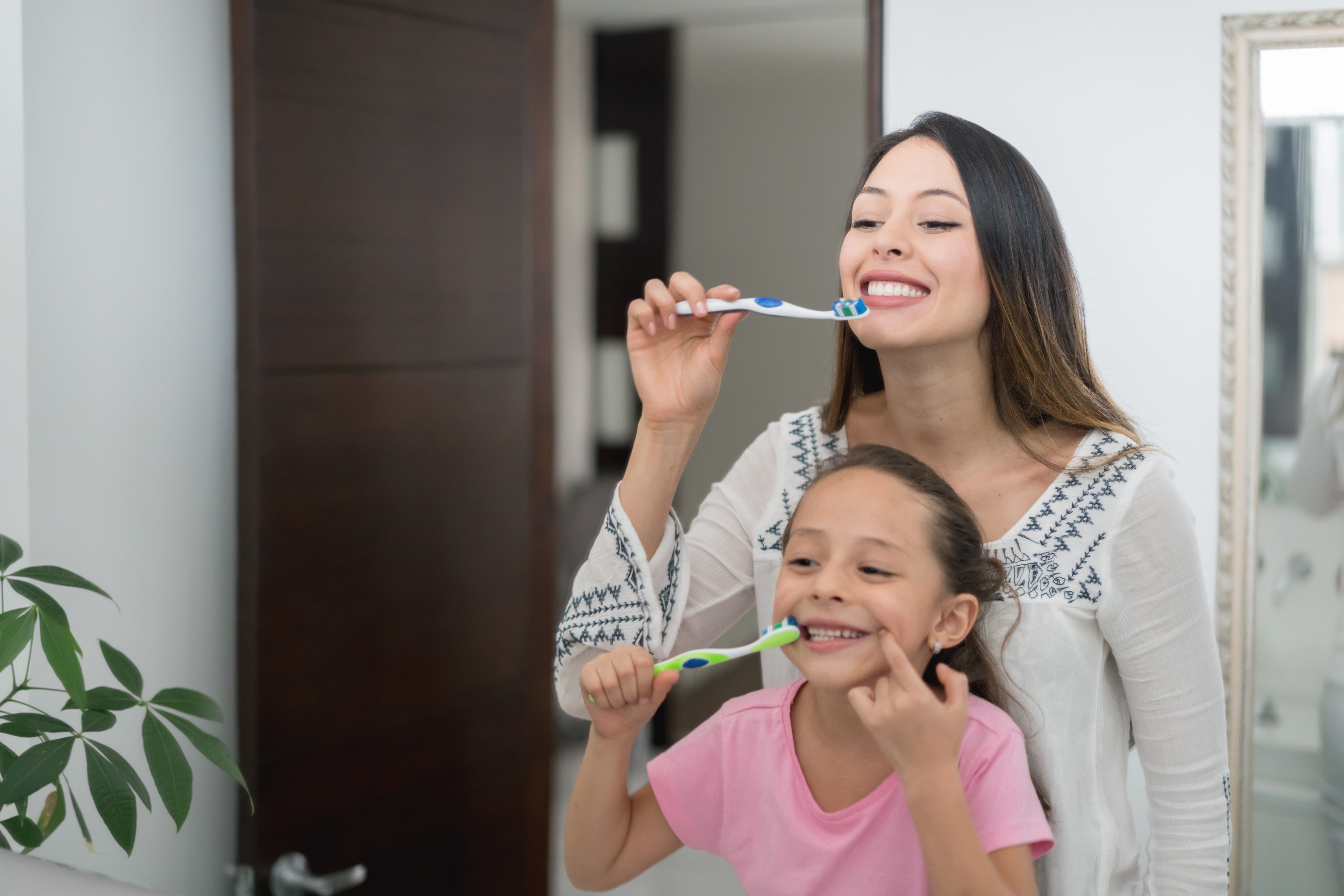
Your child’s smile changes fast. One moment they’re losing baby teeth, and before you know it, those permanent teeth start appearing in every school photo. Somewhere between those two stages is the perfect time to get an expert’s opinion on how their smile is developing.
At Lakewood Orthodontics, we know parents often wonder, “When should my child see an orthodontist?” The answer might surprise you: it’s earlier than you think — and for very good reason.
Age 7: The Magic Milestone
The American Association of Orthodontists (AAO) recommends that every child have their first orthodontic evaluation by age 7. That doesn’t mean your 7-year-old will automatically need braces — in fact, most don’t. But it does mean this is the ideal age to take a close look at how your child’s teeth and jaws are growing.
By age 7, most children have a mix of baby and permanent teeth. This stage offers orthodontists like Dr. Ravi Rajanna a valuable window into how adult teeth are forming, how the jaw is developing, and whether there’s enough space for everything to align properly.
An early visit can certainly catch problems, but it also helps prevent them from becoming more complicated later.
Why Age 7 Is the Right Time
Seven might sound young, but here’s why it’s the sweet spot:
- Permanent Teeth Are Emerging: The front teeth and first molars usually erupt by this age, allowing your orthodontist to see how your child’s bite is coming together.
- Jaw Growth Can Be Guided: If your child’s upper or lower jaw is developing too narrow or too wide, early care can gently guide growth while bones are still flexible.
- Bite Issues Become Visible: Crossbites, underbites, open bites, and crowding often appear as permanent teeth erupt. These are easier to correct early.
- Space Management Matters: If baby teeth are lost too soon or stay in too long, it can affect where adult teeth grow in.
- Peace of Mind: Even if everything looks great, you’ll leave your visit knowing your child’s smile is on track — and that’s one less thing to worry about.
Dr. Rajanna takes a conservative approach to early orthodontic care, meaning he only recommends treatment if it will truly benefit your child. Sometimes, early observation is all that’s needed to help your child’s smile develop naturally.
Signs Your Child Should See an Orthodontist Sooner
While age 7 is the recommended milestone, there are several signs that might mean your child should come in earlier — sometimes even as young as age 5 or 6. These early warning signs aren’t always obvious, so here’s what parents should watch for:
1. Early or Late Loss of Baby Teeth
If your child loses baby teeth much earlier or later than expected, it could signal a problem with how the adult teeth are forming underneath. Losing teeth too early can lead to spacing issues, while losing them too late can cause crowding or delayed eruption of permanent teeth.
2. Crowded, Crooked, or Overlapping Teeth
Even at a young age, crowding can become noticeable. If your child’s teeth appear twisted, overlapping, or growing in at odd angles, it may mean there isn’t enough space in the jaw for all the adult teeth to fit properly.
3. Difficulty Chewing or Biting
If your child frequently bites their cheeks, lips, or the roof of their mouth while eating, or if they struggle to bite into certain foods, their bite alignment may be off. An uneven bite can lead to discomfort, uneven tooth wear, and jaw strain over time.
4. Mouth Breathing or Snoring
Chronic mouth breathing or snoring can indicate that your child’s jaws or airway are not developing properly. Orthodontic treatment can sometimes help create more space for proper breathing and jaw growth.
5. Thumb or Finger Sucking Beyond Age 5
While thumb sucking is normal in early childhood, continuing this habit after age 5 can cause the front teeth to push outward or create an open bite — where the upper and lower teeth don’t meet when the mouth is closed.
6. Teeth That Don’t Meet Properly
If your child’s teeth don’t touch evenly when biting down, or if you notice a gap between the upper and lower teeth (an open bite), this can signal alignment or jaw growth issues that benefit from early evaluation.
7. Protruding Teeth (“Buck Teeth”)
Front teeth that stick out too far not only affect appearance but can increase the risk of injury during sports or play. Early orthodontic guidance can reduce that risk and improve function and confidence.
8. Speech Difficulties or Lisping
Speech development and tooth alignment are closely linked. If your child struggles to pronounce certain sounds or has a noticeable lisp, orthodontic intervention might help by improving how their teeth and tongue work together.
9. Grinding, Clenching, or Jaw Pain
If your child grinds their teeth at night or complains of jaw soreness, it might be a sign of a bite imbalance. While occasional grinding is common, persistent clenching can cause damage to growing teeth.
10. A Shifting Jaw or Uneven Smile
If your child’s jaw shifts to one side when opening or closing their mouth, or if their smile appears uneven, it could signal a skeletal imbalance that’s best addressed while they’re still growing.
Why Paying Attention Matters: These signs don’t always mean your child needs treatment right away — but they do mean it’s worth getting a professional opinion. Early orthodontic exams are gentle, comfortable, and informative. Even small indicators, like mild crowding or a crossbite, can give Dr. Rajanna valuable insights about how your child’s smile is developing and how to set it up for success.
What Early Orthodontic Treatment Looks Like
When parents hear “early orthodontic treatment,” they often picture full braces on a young child. That’s not the case at Lakewood Orthodontics. Early treatment, also called Phase 1, is about guiding growth — not rushing into braces.
Every child’s treatment plan is unique, but here’s what early care might involve and how it fits into the big picture.
Phase 1: Growth Guidance
Phase 1 treatment typically happens between ages 7 and 10. The goal is to correct problems that could worsen with time, such as crossbites, crowding, or jaw alignment issues.
Dr. Rajanna may recommend using appliances like expanders, partial braces, or space maintainers to help teeth and jaws grow in balance. These treatments are gentle and short-term, often lasting 6–12 months.
After Phase 1, most children take a break and simply grow, giving their permanent teeth time to erupt naturally.
The Retention Period
Between early treatment and full orthodontic care, your child may wear a retainer or be monitored through occasional check-ins. This “resting phase” ensures the improvements made in Phase 1 are maintained while the rest of the adult teeth come in.
During this time, Dr. Rajanna will keep an eye on growth patterns and tooth eruption to determine whether additional treatment will be beneficial later.
Phase 2: Finishing and Refining
Phase 2 treatment happens in the early teen years, once all permanent teeth are in. This stage fine-tunes the smile — perfecting alignment, bite, and symmetry. The good news is that if your child had Phase 1 treatment, Phase 2 is usually simpler, shorter, and more predictable. And in many cases, if no early issues were found, your child might skip early treatment altogether and begin orthodontic care in their teens.
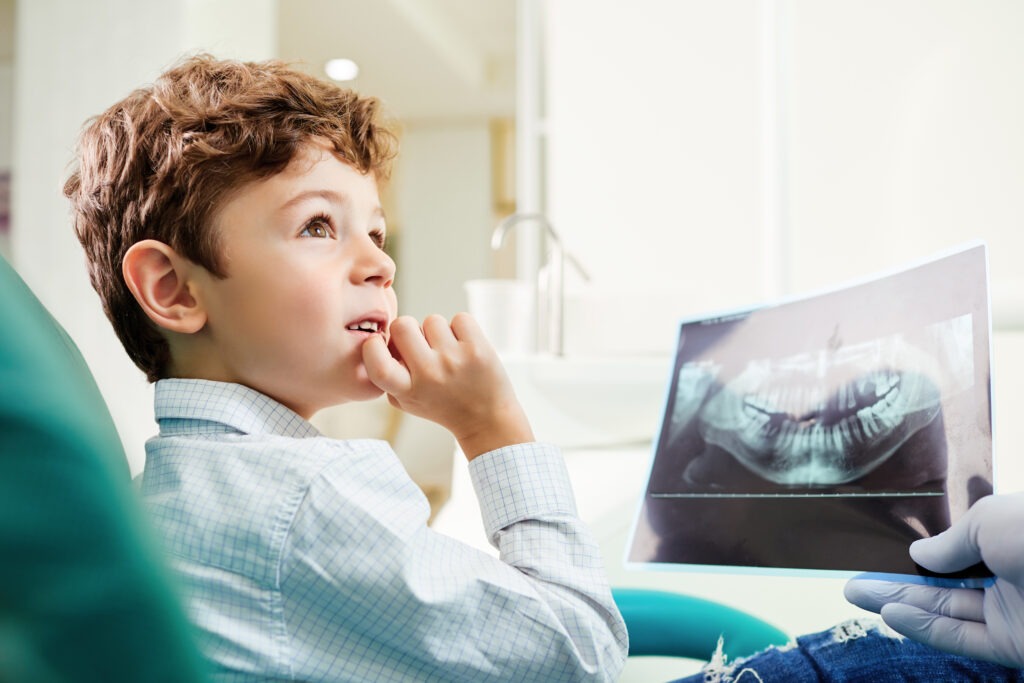
Start Your Child’s Smile Journey at Lakewood Orthodontics
Your child’s smile deserves expert attention from the start, and a local orthodontist who truly cares. At Lakewood Orthodontics in Lee’s Summit, Dr. Ravi Rajanna and our friendly team make it easy to get the answers you need about your child’s dental development. Whether it’s time for that age 7 check-up or you’ve noticed a few early signs, we’re here to help you make informed, confident decisions for your child’s smile.
Schedule your child’s free orthodontic consultation today and discover how early care can lead to a lifetime of confident, healthy smiles.