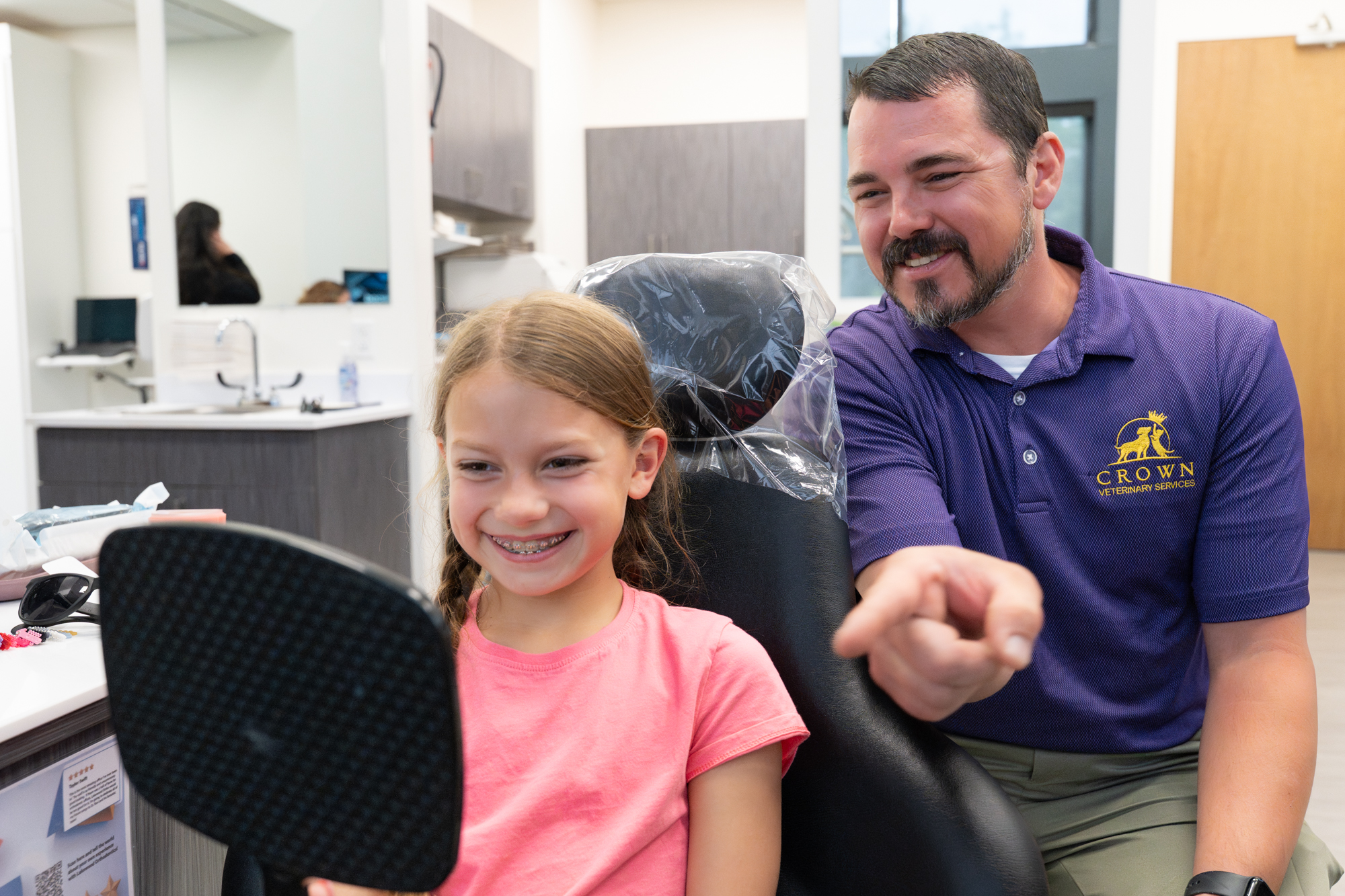
Sore teeth. Tender gums. That achy pressure after a tightening visit. If your braces are hurting right now, you’re not alone, and the good news is that relief is usually simple.
Braces discomfort is a normal part of moving teeth into a healthier position. It’s temporary, it’s manageable, and there are a lot of ways to take the edge off. Below you’ll find 12 remedies you can try today, plus a clear timeline of what to expect and when to reach out to our Lee’s Summit team for help.

Why Do Braces Cause Pain?
Braces work by applying steady pressure to shift teeth, and that pressure sets off a natural remodeling process in the bone around each root. It’s effective, but it can leave your mouth feeling sore for a few days.
Here’s what’s usually behind the discomfort:
- Pressure on teeth and roots. New wires or adjustments create tension your body needs time to adapt to.
- Soft tissue irritation. Brackets and wires can rub against the inside of your cheeks, lips, and tongue.
- Post-adjustment soreness. Your teeth may feel tender when you bite down for a day or two after a visit.
- Differences by braces type. Metal braces, clear braces, and lingual braces each create slightly different pressure points, though the sensation is similar.
Understanding what’s happening makes it easier to treat, and easier to know when something isn’t quite right.
How Long Does Braces Pain Last?
For most people, soreness runs about 3 to 7 days, peaking in the first 24 hours after placement or a tightening visit and fading over the rest of the week. Here’s the general timeline:
- First 24 hours. Soreness usually peaks after placement or a tightening visit.
- Days 2 to 3. Tenderness gradually starts to fade.
- Days 4 to 7. Most people feel back to normal by the end of the first week.
- Beyond 7 days. Lingering or worsening pain is worth a phone call rather than a wait-and-see.
Every mouth is a little different, but if you’re outside that window or things feel severe, don’t tough it out.
12 Ways to Relieve Braces Pain
The best relief usually comes from combining a few of these. Cold plus soft foods. Wax plus a warm rinse. Mix and match based on what your mouth needs that day, and always follow product labels and the guidance you’ve been given at your appointments.
1. Apply a Cold Compress or Sip Ice Water
Cold helps a lot. It reduces swelling and temporarily numbs sore spots.
- Hold an ice pack wrapped in a thin towel against your cheek for 15 to 20 minutes at a time.
- Sip cold water throughout the day or let ice chips melt in your mouth.
- Skip biting directly on ice, which can break a bracket.
2. Take an Over-the-Counter Pain Reliever
Ibuprofen or acetaminophen can take the edge off ordinary braces soreness.
- Follow the dosage listed on the label.
- Ask us whether taking something ahead of an adjustment makes sense for you, since that depends on your situation.
- Talk to your doctor first if you have health conditions, take other medications, or are giving medicine to a child.
3. Use Orthodontic Wax for Wire and Bracket Irritation
Orthodontic wax is a lifesaver when a bracket or wire is rubbing your cheek or lip.
- Dry the area with a clean tissue so the wax sticks.
- Roll a small piece into a ball.
- Press it gently over the sharp spot.
- Reapply after eating or brushing.
Don’t worry if you swallow a bit by accident. Orthodontic wax is safe.
4. Rinse With Warm Salt Water
A simple salt water rinse can soothe irritated gums and help small sores heal.
- Mix 1 teaspoon of salt into 8 ounces of warm water.
- Swish for 30 to 60 seconds.
- Repeat 2 to 3 times a day, especially after meals.
5. Ease Up on Chewing
When your teeth are tender, give them less work to do. Softer textures and smaller pieces make a real difference, and anything hard, crunchy, or sticky is worth skipping until the soreness passes. We’ve put together a fuller guide to gentle foods that are easy on braces if you want ideas.
6. Try a Topical Numbing Gel
An over-the-counter oral numbing gel can quiet a sore spot on your gums or cheek.
- Apply a small amount with a clean cotton swab.
- Check the age restrictions and directions on the label.
- Use it short-term, not as a daily habit.
7. Gently Massage Your Gums
A little gum massage can boost blood flow and ease tenderness.
- Wash your hands, then rub your gums with a clean finger in slow, circular motions.
- Work on sore areas for a minute or two.
- Running an ice cube along your gums first adds a numbing bonus.
8. Sip Warm Herbal Tea
If cold isn’t cutting it, warmth can help too. Chamomile and peppermint are both soothing options.
- Let the tea cool slightly before sipping.
- Skip the sugar, which is harder on enamel while you’re in treatment.
9. Keep Your Mouth Clean
Food caught around brackets irritates already tender gums and slows healing.
- Brush after every meal with a soft-bristle brush.
- Use interdental brushes or floss threaders to clean around the wires.
- A water flosser makes life a lot easier when things are sore.
If you’re managing braces during the school day, a small care kit in your backpack makes this much easier to keep up with.
10. Stay Hydrated
Water rinses food particles off your brackets and prevents dry mouth, which makes irritation worse. Keep a bottle with you and sip through the day.
11. Use a Bite Wafer or Orthodontic Chewie
Gentle chewing can actually help. A bite wafer or chewie encourages blood flow to the area and helps teeth settle after an adjustment.
- Ask for one at your next visit if you don’t have one.
- Chew softly for a few minutes, several times a day.
- A lot of families find it shortens the sore stretch after tightening visits.
12. Set Yourself Up for a Comfortable Night
Braces pain often feels worse at night when you’re lying still. A few tweaks help:
- Elevate your head with an extra pillow.
- Apply orthodontic wax before bed to protect your cheeks overnight.
- Try a cool compress on your jaw for a few minutes before lying down.
- If you’re taking something for the pain, follow the timing on the label.
When to Call Your Orthodontist
Some soreness is normal. Some isn’t. Reach out to Dr. Ravi Rajanna and the team if you notice any of the following:
- Pain that lasts longer than 5 to 7 days
- Severe pain that doesn’t respond to over-the-counter relief
- A broken bracket, a poking wire, or a loose band
- Signs of infection, including swelling, fever, pus, or a bad taste
- Trouble eating or sleeping after several days
You shouldn’t have to guess. If something feels off, give our Lee’s Summit office a call. We’d rather hear from you early than have you wait it out.
Frequently Asked Questions About Braces Pain
How long does braces pain last after tightening?
Most people feel the most soreness in the first 24 hours after an adjustment, with tenderness easing over the next few days. It typically resolves within a week. If it hangs on longer, check in with your orthodontist.
Can I take ibuprofen every day for braces pain?
Ibuprofen is generally fine for short-term braces soreness when taken as directed on the label. Daily long-term use isn’t something to start without talking to your doctor, especially for teens or anyone with existing health conditions.
Does orthodontic wax really work?
Yes. Wax creates a smooth barrier between sharp brackets or wires and your cheeks, lips, and tongue. It’s one of the fastest ways to prevent and heal irritation, and it’s safe if you accidentally swallow some.
What is the fastest way to relieve braces pain?
Combining a few approaches usually works best. A cold compress on your cheek, an over-the-counter pain reliever taken per the label, softer foods for the day, and orthodontic wax on any sharp spots. Warm salt water rinses add extra relief.
Is it normal for braces to hurt weeks after getting them?
Ongoing soreness weeks after placement or an adjustment isn’t typical. Mild irritation from a shifting wire happens, but consistent or worsening pain is worth a call to rule out a hardware issue.
Get Personalized Help From Our Lee’s Summit Team
Braces shouldn’t get in the way of your day, your dinner, or your sleep. A little soreness now and then is part of the process, but you don’t have to figure it out alone.
If your discomfort has stuck around for more than five days, something feels sharp, or you just want reassurance that everything is on track, Dr. Rajanna and the team are here to help. We’ll walk you through what’s normal, adjust anything that isn’t, and keep your treatment as comfortable as we can.
Families in Lee’s Summit can schedule a free consultation or call us anytime with braces care questions. Our family can’t wait to meet yours.