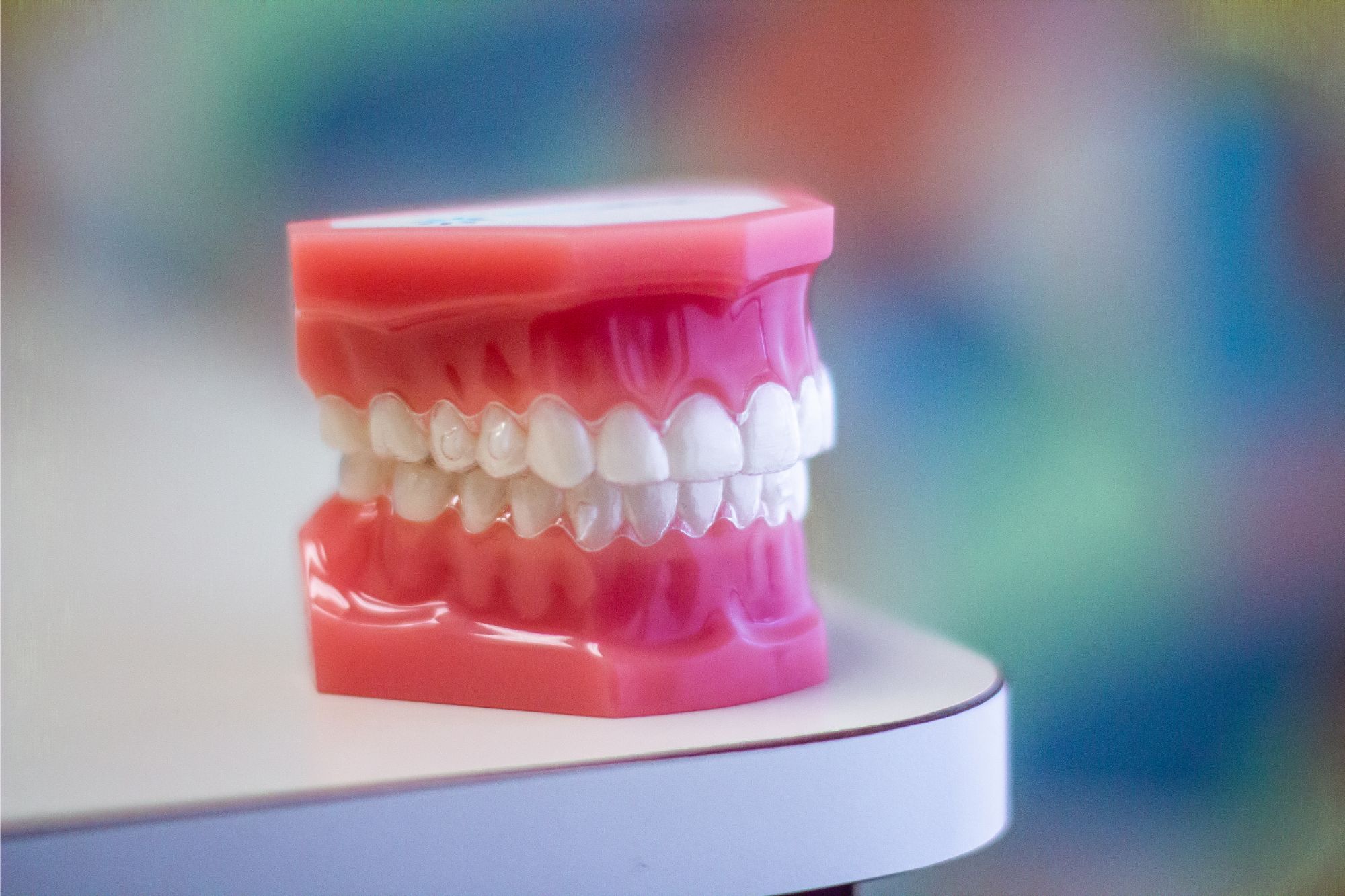
If you want straight teeth but hate the bulk of metal braces, Invisalign is a fantastic alternative, and it’s a treatment we often recommend to patients looking for an orthodontist in Independence. But you must use the trays correctly and follow your orthodontist’s instructions.
If you want to get the most out of your treatment, here are seven Invisalign tips from Lakewood Orthodontics you should know.
1. Follow the Invisalign Instructions to the Letter
Wearing your orthodontic trays for as long as 22 hours each day will allow them to work their magic.
Maybe you think they’re only appropriate for nighttime or when you’re at home. The problem is that you’ll be stifling your own success in the process.
Wearing Invisalign may cause a temporary lisp, which can be annoying if your job requires you to speak in front of an audience. That shouldn’t stop you from getting in all 22 hours. Speaking fluently, even while wearing your trays, will become second nature to you very soon.
2. Keep Up with Dental Hygiene
Adults often find it difficult to comply with the nagging reminders from their childhoods, such as “Brush your teeth!” and “Floss after brushing!”
Still, these reminders are good advice at any age.
For Invisalign to be effective, you have to keep up with good dental hygiene. Brushing often keeps food particles from getting trapped in your trays between meals, which can lead to plaque and stains. Flossing every day keeps your gums healthy too.
After eating, brush your teeth and rinse your trays with lukewarm water before putting them back in.
If you’re prone to cavities and other issues with your teeth due to neglect, straight teeth won’t help a bit.
3. Clean Your Invisalign Trays the Right Way
The instructions explain how to keep your Invisalign trays clean. Use lukewarm water rather than hot, since hot water can warp the aligners.
The cleaning crystals Invisalign makes are designed for the job, and some orthodontists also approve denture cleaners like Polident. Toothpaste is usually too abrasive for the trays.
To avoid picking up bacteria that can cause decay and other cosmetic issues, keep your trays clean and clear.
4. Schedule Checkups on a Regular Basis
With Invisalign, your teeth move into place through a series of trays, each one shifting them a little further. Your orthodontist will check in with you at regular intervals to make sure treatment is going according to plan.
Your orthodontist may adjust the planned course of treatment along the way, and sometimes it takes longer than expected. You might also need small tooth-colored “attachments” bonded to some teeth so the aligners can grip them and guide them in the right direction.
By checking in with you at regular intervals, your orthodontist can make any necessary adjustments to the aligners and monitor any potential problems. Another thing they can do is keep an eye out for signs of tooth discoloration or decay.
Then, to make sure you get the most out of the process, your doctor can suggest things like whitening toothpaste or other strategies.
5. Follow the Diet Guidelines
If you’ve had traditional “railroad track” braces, you may remember following a special diet so they didn’t bend or break. Sweets like taffy and caramel can easily loosen brackets.
Diet still matters with Invisalign. You take your trays out to eat, but sticky or chewy foods can pop off attachments.
Invisalign also recommends drinking only water while your trays are in. Coffee, soda and other drinks can stain the aligners and your teeth and trap sugar against them.

6. After Treatment Is Over, Keep Wearing Your Retainers
If you stay committed to the program, Invisalign produces excellent results. After a few months or even years of wearing clear aligners, you’ll be able to smile with confidence.
Having said that, teeth can move. Many patients come to Invisalign because the results of earlier orthodontic treatment wore off over time.
Just as teeth can shift after braces when a retainer gets forgotten, the same thing can happen after Invisalign. Once treatment is over, you’ll likely be told to wear a retainer while you sleep.
To hold your smile in place and stop your teeth from shifting back, wear your retainer as directed. Our post on how long you need to wear your retainers covers this in more detail. Regular checkups help make sure your results are holding.
7. Replace Worn Retainers
To keep you “retained” for the next few years, your orthodontist may give you more than one set of retainer trays. That way, if one gets damaged or lost, you have a spare on hand.
After a year or two, a retainer can start to look worn and lose some of its snug fit. When that happens, ask your orthodontist about a replacement.
At this point, you should also evaluate the results to see whether any additional treatments or adjustments are necessary to keep your beautiful smile.
Patients of almost any age who want a comfortable, effective way to straighten their teeth can benefit from Invisalign. It isn’t the best choice for every case, but it can correct a lot of misalignments.
Wear your trays as directed, keep them and your teeth clean and follow your orthodontist’s instructions. Your dream smile is within reach if you’re willing to put in the time and effort.